
Cleaning and Sanitising Products: Complete Guide
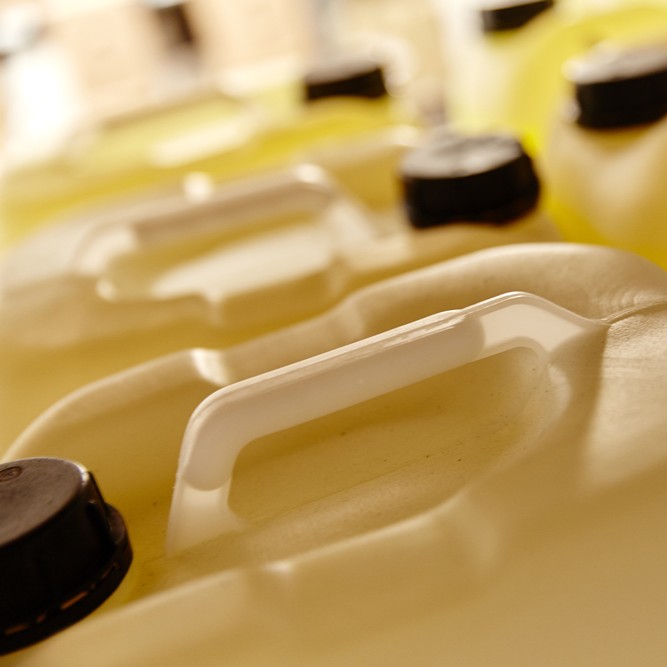
The right cleaning and sanitising products depend on three factors: what you need to clean, the surface you’re cleaning, and the dilution ratio that delivers the most economical cost per use. Highly concentrated formulations cost more per container but far less per litre of working solution, making them the preferred choice for transport depots, workshops, food production facilities and large commercial sites across East Anglia.
Key Facts: Trade Cleaning and Sanitising Chemicals
- Concentrated products typically deliver 30–100 litres of working solution per litre of concentrate, depending on the task
- COSHH assessment required before use — we provide these free of charge for many products we supply
- Surface compatibility matters: what works on workshop floors may damage vehicle paintwork or food-contact surfaces
- Contact time (dwell time) determines effectiveness — most sanitisers require several minutes, not instant wipe-off
- Biocidal claims (antibacterial, antiviral, EN 1276) must be substantiated and certified under the Biocidal Products Regulation
Understanding Cleaning and Sanitising Products and Their Applications
Trade cleaning and sanitising chemicals fall into several categories, each suited to specific tasks and environments:
- General-purpose cleaners and degreasers: for floors, walls, work surfaces and equipment in workshops, warehouses and commercial kitchens
- Heavy-duty degreasers: for oil, grease and carbon deposits on workshop floors, machinery and engine parts
- Sanitisers and disinfectants: for food production areas, washrooms and high-touch surfaces where microbial control is required
- Specialist formulations: glass cleaners, stainless steel polishes, limescale removers and descalers for specific materials
Your choice depends on the level of soiling, the substrate, and whether you need cleaning alone or combined sanitising. Many facilities need both: a degreaser to remove visible contamination, followed by a sanitiser to reduce microbial load.
Dilution Ratios and Cost Per Use
Concentrated products deliver the best value when you calculate cost per litre of working solution, not cost per container. A 5-litre container of concentrate used at a typical dilution may produce 100–500 litres of ready-to-use solution, depending on the task and the product formulation.
This is where the real commercial advantage lies. While a barrel of concentrate appears expensive compared to a ready-to-use spray, the cost per litre of working solution is often a fraction of the price. For large sites — transport depots, workshops, food production facilities — this difference compounds quickly into substantial annual savings.
Always follow the manufacturer’s stated dilution rate. Under-diluting wastes product and increases chemical exposure; over-diluting reduces effectiveness and may fail to meet your hygiene or cleaning standards.
COSHH Duties and Safe Handling
Under the Control of Substances Hazardous to Health Regulations 2002 (COSHH), you must assess the risks from any chemical you use and put controls in place to protect your staff. This includes:
- Obtaining and understanding the Safety Data Sheet (SDS) for each product
- Completing a written COSHH assessment identifying hazards, exposure routes and control measures
- Providing appropriate personal protective equipment (PPE) — typically gloves, eye protection and apron for concentrates
- Training staff in safe use, dilution procedures, spill response and first aid
- Ensuring adequate ventilation and, where necessary, monitoring exposure
We provide free COSHH assessments for many of the products we supply, along with staff training in safe and efficient chemical use and bespoke on-site cleaning procedures tailored to your facility.
Surface Compatibility and Contact Time
Not all cleaning chemicals are safe on all surfaces. Alkaline degreasers excel on concrete workshop floors but may damage aluminium, soft metals or certain plastics. Acidic descalers remove limescale from stainless steel but will corrode mild steel and etch natural stone.
Always confirm compatibility before use, especially on painted surfaces, vehicle bodywork, food-contact materials and polished or coated finishes. If in doubt, trial the product on an inconspicuous area first — we can provide samples for testing before you commit to bulk orders.
Contact time (dwell time) is equally critical for sanitisers. A product may require several minutes of wet contact to achieve its stated microbial reduction. Wiping it off immediately after application will not deliver the expected hygiene outcome, even if the surface looks clean.
Biocidal Claims and Regulatory Compliance
Any product making a biocidal claim — “kills bacteria,” “antiviral,” “EN 1276 compliant” — must be authorised under the Biocidal Products Regulation and hold the relevant efficacy certification. Using or supplying unauthorised biocidal products is an offence.
If microbial control is a regulatory requirement in your facility (for example, in food production or healthcare cleaning contracts), ensure any sanitiser you use holds the appropriate third-party test certification and is authorised for that use. We can confirm certification status for the products we supply and source specialist formulations if your application requires it.
Choosing Brands and Sourcing Specialist Products
We supply established brands including Cleenol and Cleanline, among others, covering the full spectrum of cleaning and sanitising applications. If you have a specific requirement — a particular substrate, a food-safe formulation, a certified biocidal product — we can source it or arrange for a bespoke formulation to be produced.
Samples are available for trial, allowing you to test dilution, performance and surface compatibility on your site before committing to a bulk order.
Frequently Asked Questions
What dilution rate should I use for general workshop floor cleaning?
Dilution rates vary by product and soil level. Always follow the manufacturer’s guidance on the product label or Safety Data Sheet. If you need advice on the right product and dilution for your application, contact us for a recommendation and, where applicable, a free COSHH assessment.
Do I need separate products for cleaning and sanitising?
In many cases, yes. Cleaning removes visible dirt, grease and organic matter; sanitising reduces microbial load. Heavy soiling can interfere with sanitiser efficacy, so a two-stage process — clean first, then sanitise — is often required, especially in food production or healthcare environments.
Can I use the same cleaner on floors and vehicles?
Not always. Alkaline degreasers suited to workshop floors may damage vehicle paintwork, plastics or aluminium components. Always confirm surface compatibility and, if in doubt, request a product specifically formulated for the substrate you’re cleaning.
How long does a barrel of concentrated cleaner last?
It depends on your usage rate and dilution ratio. Concentrated products are typically diluted to produce many times their original volume in working solution, so a single barrel can last weeks or months on a busy site. We can help you estimate consumption and plan deliveries to avoid stock-outs.
Get Expert Advice and Free COSHH Support
Choosing the right cleaning and sanitising products is as much about safe, compliant use as it is about cleaning performance and cost efficiency. We provide free COSHH assessments, staff training and on-site cleaning procedures for businesses across Norfolk and East Anglia, and we can supply samples for trial before you order in bulk.
Free delivery is available on orders over fifty pounds, with despatch typically within two days. For technical advice, product recommendations or a quotation, call us on 01953 607093 option 2 or visit our contact page.
Cleaning and hygiene guides
- Concentrated Chemicals Cost Per Use: True Value Guide
- General Maintenance Norwich
- Hand Dryers vs Paper Towels: Which Is Right for You?
- TFR Traffic Film Remover Guide for Fleet Operators
- Washroom and Kitchen Supplies: A Complete Guide
- Rock Salt vs White De-icing Salt: Which Winter Product?
- How to Choose General Maintenance Products
- Cleaning and Sanitising Products: Complete Guide
- Paper Products Guide: Choosing for Your Business