
Why using salt in winter is important in the workplace
Preventing slips, trips, and falls
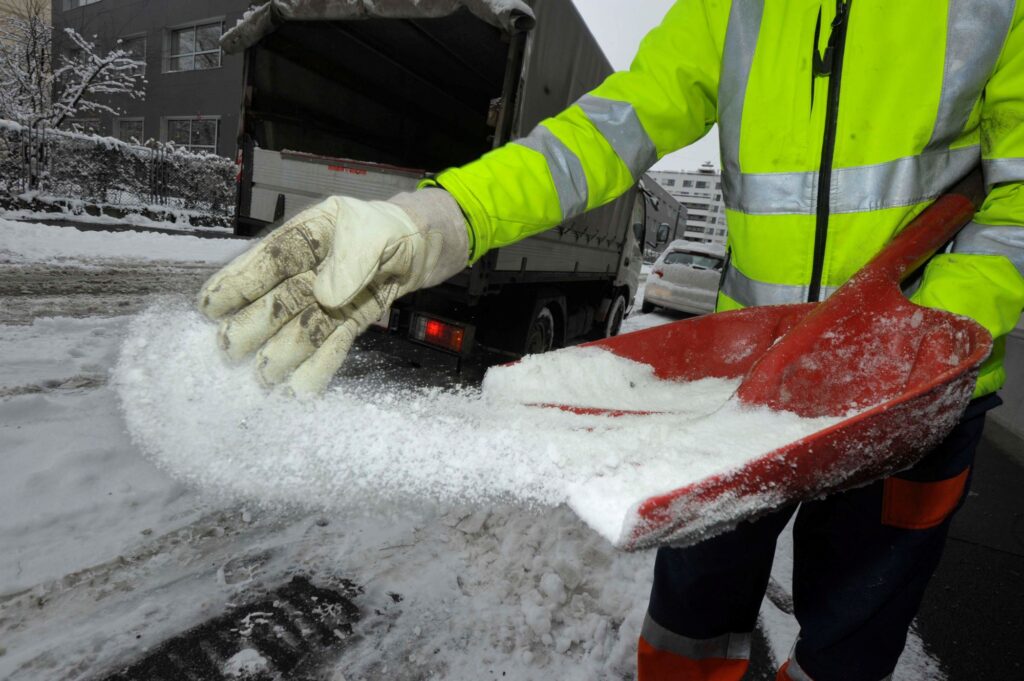
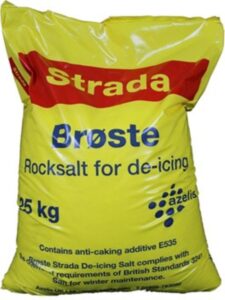
Ice and compacted snow can create extremely slippery surfaces in the winter months. Using Rock salt (usually sodium chloride) or alternative de-icing agents on relevant surfaces works by lowering the freezing point of water, helping melt ice and preventing re-freezing. Leading to safer walkways, commercial yards and relevant workplace environments.
Benefits:
- Reduces risk of employee injuries
- Minimises incidents involving customers, contractors, or visitors
- Helps employers meet health & safety obligations
Legal and safety compliance
An number of safety regulators for example HSE require employers to maintain safe access and walkways, to protect and safe guard against potential workplace injuries resulting from hazards namely, and snow in the winter months.
Using salt supports:
- Duty of care
- Risk assessment and hazard control measures
- Compliance with winter safety policies and procedures
Keeps business operations running smoothly
The buildup of ice can potentially disrupt the flow of work and procedures for organisations in many ways, for example;
- Employees struggle to enter or move around the site
- Delivery vehicles can’t access loading bays
- Forklifts and plant equipment lose traction
- Car parks become unsafe
- Emergency exits and fire routes can be blocked by ice
Salt helps keep all these critical areas operational.
Common areas where salt should be used
- Building entrances
- Car parks
- Pedestrian walkways
- Loading bays
- Steps and ramps
- Emergency exits
- Areas prone to standing water / shade (freeze faster)
- Sloped areas
Best practices
- Apply rock salt before ice forms when possible (pre-treatment).
- Reapply during severe or prolonged weather.
- Use grit bins and keep them stocked.
- Train staff on how and when to salt.
- Combine salt with snow clearing for best results.
Cleaning and hygiene guides
- Concentrated Chemicals Cost Per Use: True Value Guide
- General Maintenance Norwich
- Hand Dryers vs Paper Towels: Which Is Right for You?
- TFR Traffic Film Remover Guide for Fleet Operators
- Washroom and Kitchen Supplies: A Complete Guide
- Rock Salt vs White De-icing Salt: Which Winter Product?
- How to Choose General Maintenance Products
- Cleaning and Sanitising Products: Complete Guide
- Paper Products Guide: Choosing for Your Business